Accessories & Parts
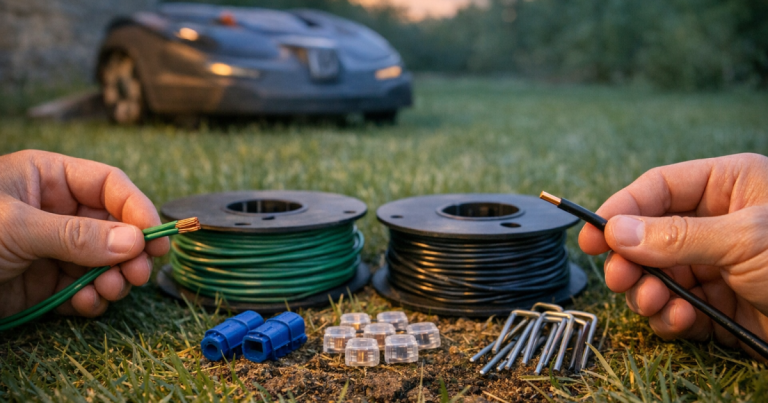
Robot Mower Boundary Wire: Which Gauge and Type Should You Buy?
Buying wire before install? Gauge, copper type, insulation, splices, and OEM trade-offs matter more than the label on the roll.
Read article →
From the team
Oliver compares robot lawn mower specifications, feature sets, pricing, and retailer listings to assess which models suit different garden sizes and layouts. His coverage highlights navigation systems, cutting options, app controls, and ownership costs that matter before purchase.
Browse articles
Buying wire before install? Gauge, copper type, insulation, splices, and OEM trade-offs matter more than the label on the roll.
Read article →
A dirty, damp mower can turn winter storage into spring troubleshooting. Use this checklist before you park it for the season.
Read article →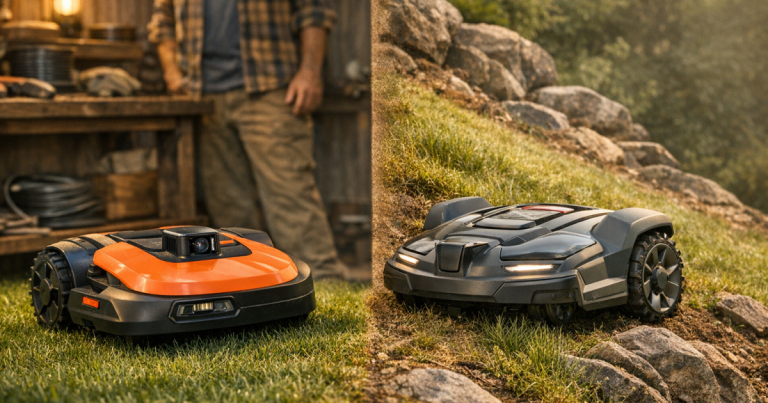
One avoids boundary wire; the other is built around AWD traction. The better pick depends on slopes, setup tolerance, and mowing height.
Read article →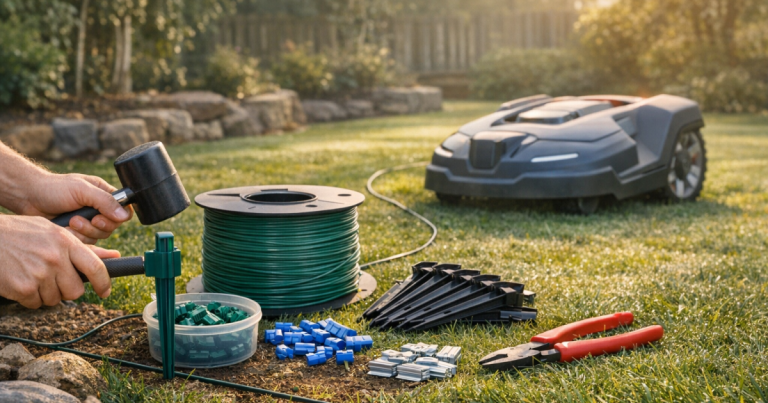
Useful for Automower owners deciding whether a bundled wire kit beats piecing together stakes, couplers and connectors.
Read article →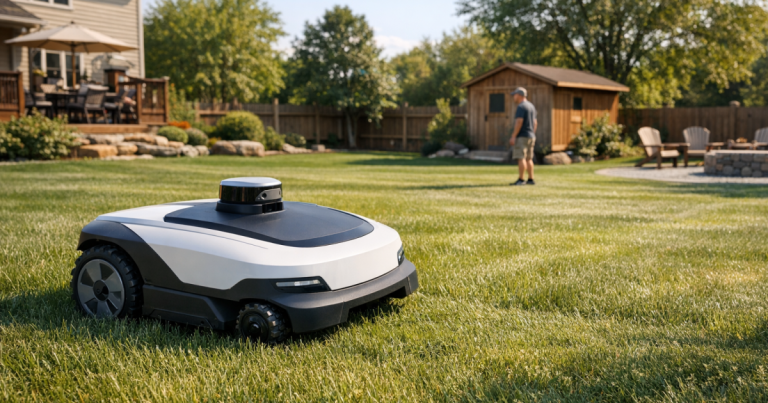
LiDAR mapping, no perimeter wire, and a 0.5-acre fit make this mower interesting—but the cut range and 2WD layout shape the decision.
Read article →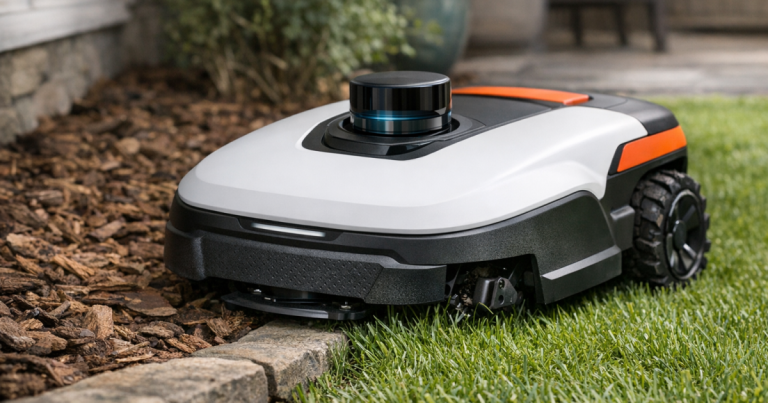
A compact wire-free mower with LiDAR mapping, useful zone flexibility, and one key traction trade-off to understand before buying.
Read article →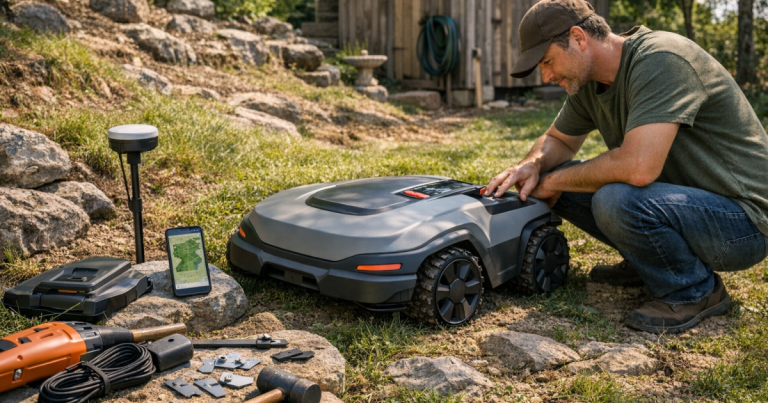
Small, uneven lawns are the real test here: traction, mapping, cut height, and weather behavior all affect the fit.
Read article →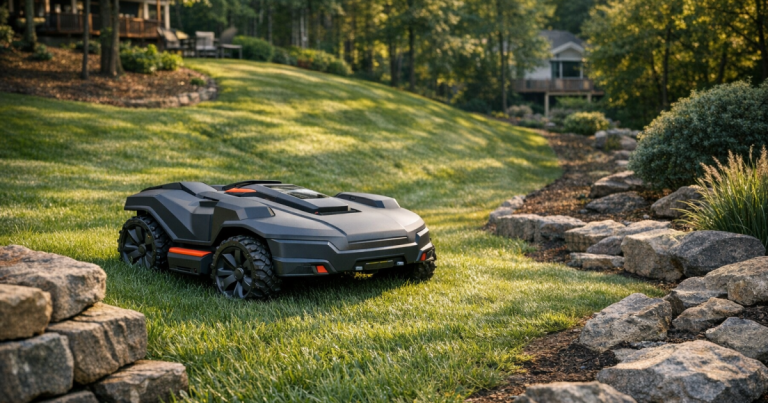
A high-cut, AWD wire-free mower with serious yard capacity—but its setup approach makes the most sense for complex lawns.
Read article →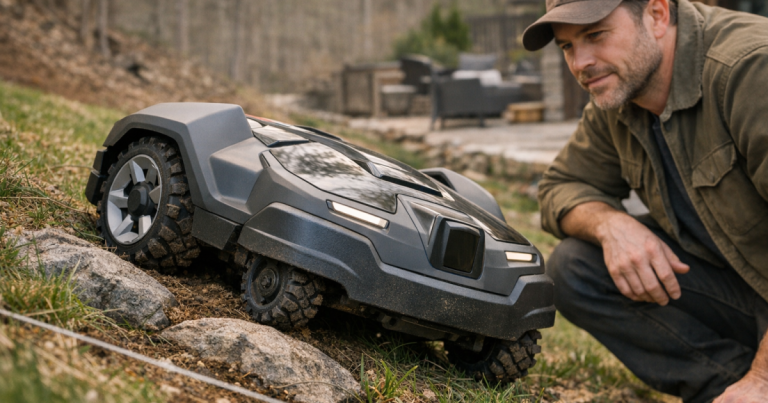
Steep slopes, multiple zones, and hybrid boundaries make this a serious option for complicated residential lawns.
Read article →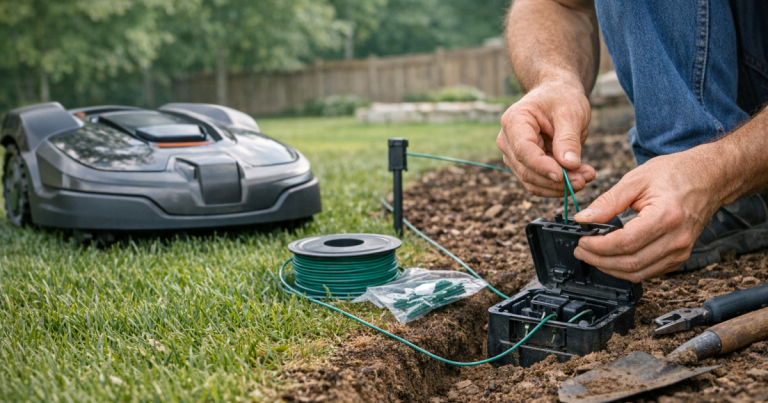
A strong fit for one-acre lawns where virtual mapping is appealing, but boundary flexibility still earns its keep.
Read article →